Payment corridors and routing economics · FX risk and hedging for operating companies · Cross-border compliance and licensing
Independent reporting on cross-border payments, multi-currency treasury, and the plumbing of global business money movement.
Latest research
Payment corridors and routing economics
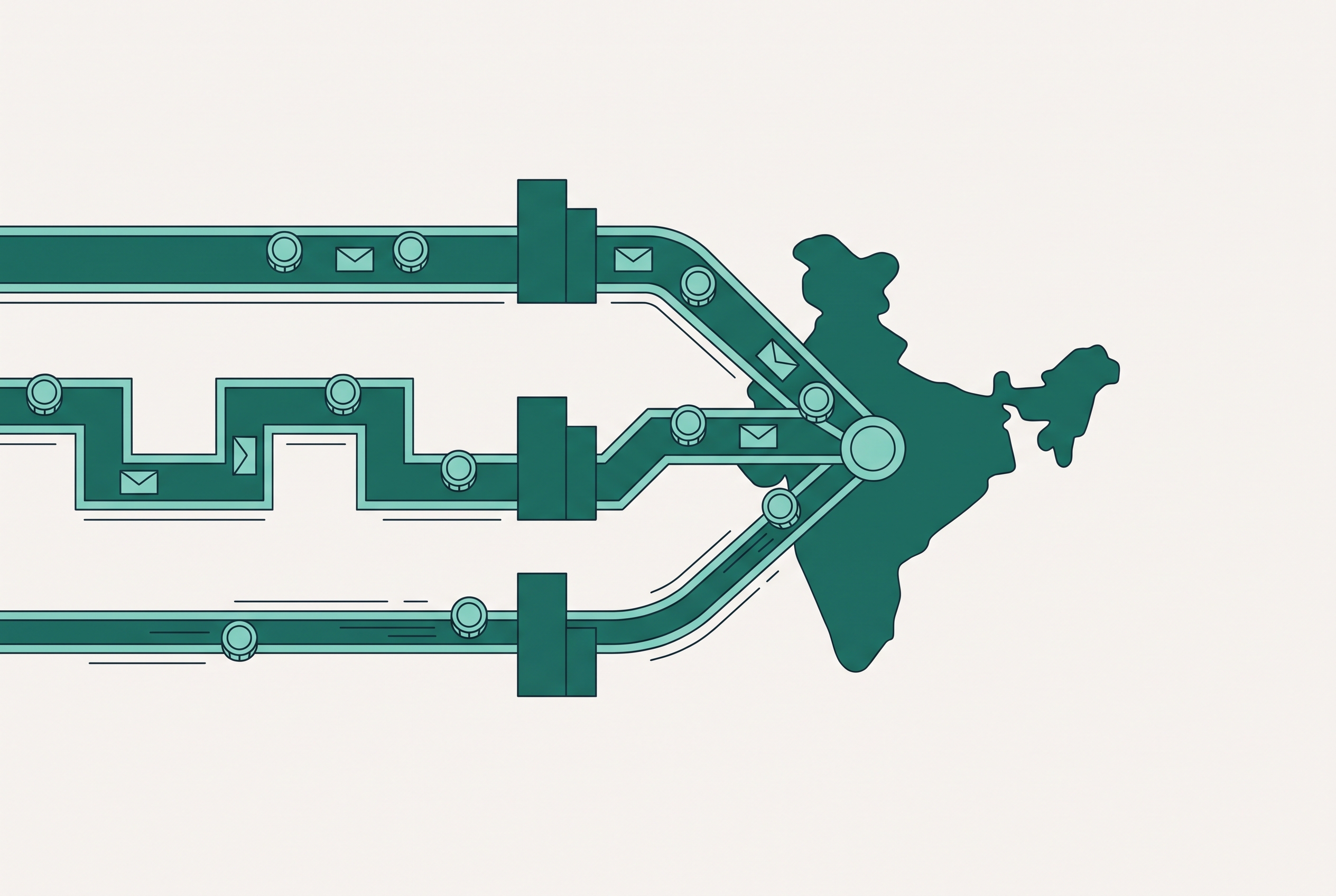
India Remittance Corridor Pricing and Rail Options
Total remittance cost hinges on exchange spreads and receiving charges, not advertised fees.
- USD to PHP Corridor Rail Options and CostsComparing exchange rates and fees reveals which route delivers the most pesos per dollar sent.
- EUR to TRY Corridor Pricing and Settlement RailsHidden costs in EUR-to-TRY transfers extend far beyond the advertised fee.
- Beneficial Ownership Disclosure Rules for Cross-Border Payment AccountsForeign businesses with U.S. accounts face three overlapping disclosure regimes.
- Sanctions Screening Requirements for Cross-Border PaymentsPayments crossing borders trigger screening at every step, not just the start.
Payment corridors and routing economics
View all →- India Remittance Corridor Pricing and Rail OptionsTotal remittance cost hinges on exchange spreads and receiving charges, not advertised fees.
- USD to PHP Corridor Rail Options and CostsComparing exchange rates and fees reveals which route delivers the most pesos per dollar sent.
- EUR to TRY Corridor Pricing and Settlement RailsHidden costs in EUR-to-TRY transfers extend far beyond the advertised fee.
- Africa Mobile Money Corridors and Settlement EconomicsDirect local-currency settlement could cut intra-African remittance fees nearly in half.
FX risk and hedging for operating companies
View all →- Currency Risk in Cross-Border M&A TransactionsExchange rates can shift the deal's value by millions between signing and closing.
- Emerging Market Currency Hedging Costs and AlternativesBid-ask spreads and margin calls hide the true cost of protecting emerging-market currency bets.
- Rolling Hedge Programs for Recurring FX ExposuresHow companies can protect recurring currency exposures through continuous rolling hedges.
- Hedge Accounting Under IFRS 9 for Non-Financial CompaniesIFRS 9 lets companies align hedging gains and losses with the actual risks they're managing.
Cross-border compliance and licensing
View all →- Beneficial Ownership Disclosure Rules for Cross-Border Payment AccountsForeign businesses with U.S. accounts face three overlapping disclosure regimes.
- Sanctions Screening Requirements for Cross-Border PaymentsPayments crossing borders trigger screening at every step, not just the start.
- FATF Travel Rule Compliance for Cross-Border Crypto TransfersCompliance failures happen at onboarding, not transmission—build the KYC foundation first.
- EU Payment Institution License vs E-Money Institution LicenseRecent court rulings and guidance have redrawn where the PI and EMI licenses actually differ.
Multi-currency accounts and global treasury
View all →- Trapped Cash in Restricted Currency MarketsMisclassifying restricted cash as trapped costs treasurers millions in unnecessary write-offs.
- Intercompany FX Settlement Between SubsidiariesCentralized netting and in-house banking cut intercompany FX costs and tax exposure simultaneously.
- Notional Pooling vs Physical Cash Pooling for Global EntitiesNotional pooling nets balances on paper; physical pooling sweeps cash into central accounts.
- TMS Selection for Multi-Currency Treasury OperationsFocus your evaluation on FX tracking, cash visibility, and entity consolidation.
Features
View all →- The hidden FX exposure sitting in your receivables ledger, and how treasury teams actually hedge itTreasury teams carry far more unhedged foreign currency exposure than their hedge reports show.
- Multi-currency receivable accounts and the cash conversion cycle: what changes when you stop waiting on correspondent bankingCorrespondent banking delays hide millions in working capital that multi-currency accounts recover.
- Payment corridor economics: why the same $50,000 transfer costs wildly different amounts depending on the route it takesEmerging market corridors cost more because volume is lower and compliance risk is higher.
- Batch payments versus individual rails: choosing settlement infrastructure for high-volume international payoutsBatch or real-time rails: the infrastructure choice that quietly determines your actual costs.